
The Guardian-Chinas kindergarten numbers shrink as policymakers struggle to arrest falling birthrate
October 28, 2024 2 min 376 words
西方媒体的这篇报道主要聚焦了中国幼儿园数量的下降,并将此现象归咎于中国出生率的降低。报道提及中国在2023年减少了超过5的幼儿园,与前一年1.9的下降趋势相一致。同时,报道也提到了中国面临的人口老龄化问题,以及政府鼓励生育的各种措施。 评论:该报道虽反映了一定的事实,但观点片面,对中国国情和文化缺乏了解。中国出生率的降低有其复杂的社会经济原因,包括生活成本上升教育费用高昂女性就业权益保障不足等。中国政府也已意识到这些问题,在不断调整政策以鼓励生育,包括提供补贴取消限制改善女性就业保障等。此外,中国传统文化中也向来重视家庭,近几年年轻人“躺平”“佛系”的生活态度也并非完全因鼓励生育的政策而改变。西方媒体在报道时应避免以偏概全,需全面了解中国国情和文化背景,提供客观公正的信息给读者,避免不必要的误解和偏见。
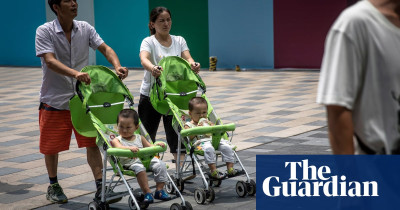
The number of kindergartens in China fell by more than 5% last year, the second year in a row that preschool institutions were in decline, reflecting the country’s falling birthrate.
In 2023, there were 274,400 kindergartens across China, down from 289,200 in 2022, according to a Ministry of Education statistical bulletin published last week.
China is grappling with a falling birthrate and an ageing population, related trends that are causing a headache for policymakers who have tried various measures to encourage people to have more children, with limited success.
The number of children enrolled in kindergartens also fell. In 2023 there were 40.9 million children in preschool education, according to the government’s figures, a decrease of more than 11% from the previous year.
In 2022, the number of kindergartens fell by 1.9%, while the number of children enrolled in kindergartens fell by 3.7%.
Several kindergartens have been converted into elderly care facilities in order to cater for the increasingly greying population.
Some regions are offering subsidies for families who have second or third babies. In Guangdong, a populous province in southern China, one village is offering bonuses of 10,000 yuan (£1,083) for a second baby, and 30,000 yuan for a third, according to Chinese state media.
Lian Jianzhang, an influential economist and demographer, argues that such incentives do not go far enough. In an article published in June, Lian called for monthly subsidies of up to 3,000 yuan for third and subsequent children, and also suggested a one-time cash reward of 100,000 yuan (£10,821) for new babies.
“The downward trend in fertility has a self-reinforcing inertia that can only be broken by policy tools,” Lian wrote.
In 2016, China’s decades-long one child policy was scrapped, and couples can generally now have up to three children. Sichuan, a province of more than 80 million people, has removed all restrictions on the number of babies that a parent can register.
Last year, China’s population dropped by 2.08 million, the second consecutive year of decline. The birthrate hit a record low of 6.39 births per 1,000 people.
Additional research by Chi-hui Lin